
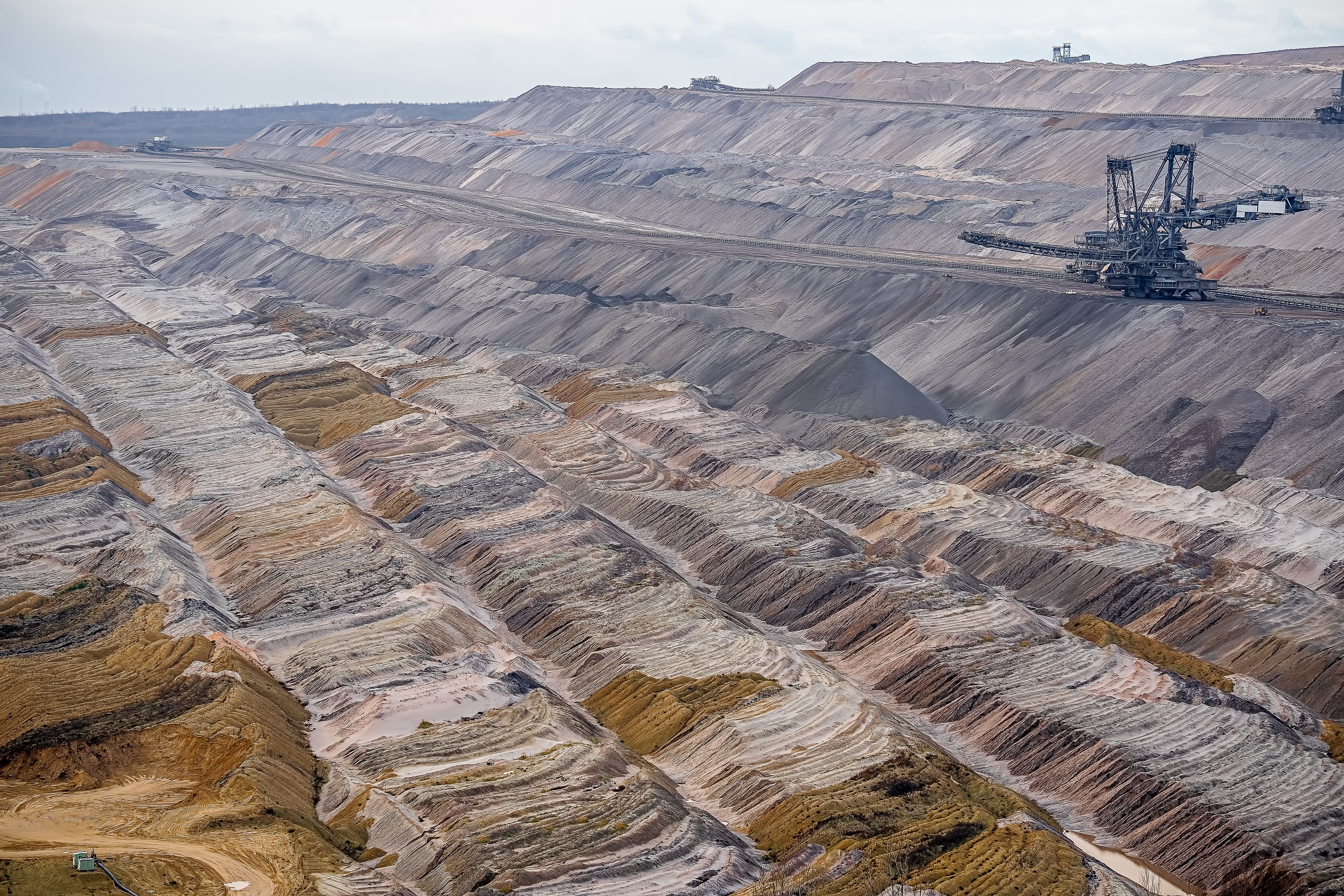
Lithium has become one of the most talked-about minerals of the energy transition. It is a key ingredient in the rechargeable batteries that power electric vehicles, store renewable energy and keep consumer electronics running. As demand rises, the DRC is increasingly discussed as a possible future source of lithium supply.
Lithium's role in batteries
Lithium is the lightest metal and has a high electrochemical potential, making it ideal for batteries. Lithium-ion batteries dominate the market for electric vehicles, grid storage, laptops and smartphones. Different battery chemistries use lithium in combination with cobalt, nickel, manganese or iron phosphate.
Global demand drivers
Electric vehicle sales, renewable energy targets and grid modernisation are all driving lithium demand. Governments in Europe, North America and Asia have set deadlines to phase out internal combustion engines. Battery manufacturers are investing heavily in new production capacity, creating pressure to secure long-term raw material supply.
DRC geological opportunity
The DRC's geology includes pegmatite formations that can host lithium-bearing minerals such as spodumene. While the country's lithium sector is less developed than its copper and cobalt industries, exploration activity is increasing. The DRC could potentially become a meaningful lithium producer if projects are developed successfully.
Manono's industry significance
The Manono area in Tanganyika province has attracted particular attention because of its large pegmatite deposits. Several companies have announced exploration and development plans for the region. However, this article discusses the wider DRC mining sector and does not claim Kamao ownership of the Manono deposit.
Infrastructure requirements
Developing lithium projects in the DRC requires more than geology. Roads, power, water, processing plants, skilled labour and transport corridors are all needed. Without adequate infrastructure, even the best deposits may struggle to reach commercial production.
Processing and value addition
Lithium extracted from hard-rock deposits must be crushed, concentrated and chemically processed to produce battery-grade lithium chemicals. Most of this processing currently happens outside Africa. Building local processing capability could increase the economic benefit to the DRC while reducing transport costs.
Community and environmental considerations
Lithium mining can affect land use, water resources and local communities. Responsible developers must conduct environmental and social impact assessments, engage communities, manage water carefully and plan for rehabilitation. These steps are essential for maintaining social licence and market access.
Long-term investment outlook
The long-term outlook for lithium remains strong, but prices and project economics can be volatile. Successful projects will require patient capital, technical expertise, strong partnerships and alignment with international standards for responsible sourcing.
Conclusion
Lithium represents an emerging opportunity for the DRC and for companies prepared to invest responsibly in the sector. Realising that potential will depend on geology, infrastructure, capital, community relations and the ability to meet rising international standards for traceability and sustainability.
References
- International Energy Agency, Global EV Outlook
- US Geological Survey, Lithium Mineral Commodity Summary
- World Bank, Climate-Smart Mining Initiative