
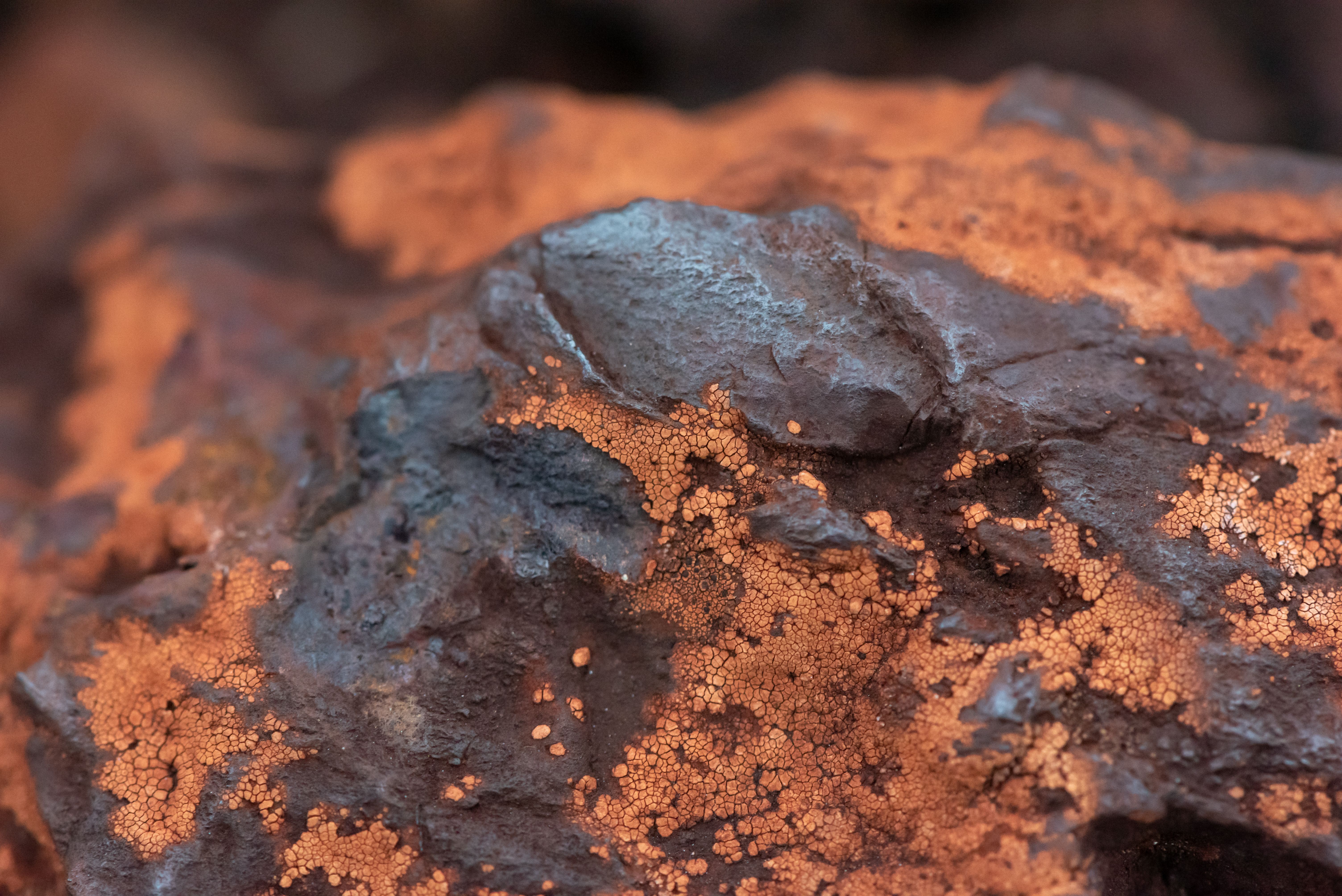
Copper and cobalt are two of the most closely watched minerals in the global energy transition. One conducts electricity with remarkable efficiency; the other stabilises the batteries that store and release it. Together, they connect the DRC's geology to the technologies reshaping transport, power and industry.
Why copper is difficult to replace
Copper's combination of conductivity, ductility, corrosion resistance and recyclability makes it uniquely useful. It is used in building wiring, motors, transformers, generators, telecommunications cables and countless industrial machines. No other material offers the same performance at comparable cost for so many applications.
As electricity demand grows and renewable energy expands, copper consumption is expected to rise. Wind farms, solar installations and electric vehicle charging networks all require significantly more copper per unit of energy than conventional fossil-fuel systems.
Copper in electrical grids and renewable energy
Electrical grids depend on copper to transmit power from generation sources to homes, factories and businesses. Higher voltage lines use aluminium in some cases, but distribution networks, transformers, switchgear and end-use equipment remain copper-intensive.
Renewable energy systems also require copper. A single wind turbine can contain several tonnes of copper across its generator, transformer and cabling. Solar panels use copper in conductive ribbons, inverters and wiring. The expansion of renewables is therefore directly linked to copper demand.
Cobalt in battery supply chains
Cobalt is used in the cathodes of many lithium-ion batteries, particularly those requiring high energy density and thermal stability. It helps batteries maintain performance over many charge cycles and reduces the risk of overheating.
Battery manufacturers are working to reduce cobalt content through new chemistries, but cobalt remains important for many electric vehicle and energy storage applications. The DRC produces the majority of the world's cobalt, making Congolese supply a central consideration for battery supply chains.
Industrial uses beyond batteries
Beyond batteries, cobalt is used in high-temperature alloys for aerospace and gas turbines, in cutting tools, in magnets and in pigments. These industrial applications create steady demand even as battery chemistry evolves.
DRC's role in production
The DRC is the world's leading cobalt producer and a major copper producer. The country's copperbelt geology hosts large-scale deposits that have attracted international mining investment for decades. Maintaining stable, responsible production from the DRC is therefore important for global supply security.
Need for quality and dependable supply
Downstream manufacturers need more than volume. They need consistent quality, reliable delivery, transparent documentation and responsible sourcing practices. Any disruption in Congolese supply can ripple through global battery and electronics markets.
Responsible sourcing expectations
Buyers and regulators increasingly expect evidence that cobalt and copper are produced without contributing to child labour, environmental harm or conflict financing. Due diligence, third-party audits and chain-of-custody systems are becoming standard expectations.
Future market outlook
The long-term demand outlook for copper and cobalt remains strong, driven by electrification, urbanisation and decarbonisation. Meeting that demand will require investment in new projects, processing capacity and infrastructure, alongside stronger environmental and social standards.
Conclusion
Copper and cobalt are not abstract commodities. They are physical foundations for the energy and technology systems that modern economies rely on. The DRC's role in supplying these minerals gives the country strategic importance and underscores the need for responsible, long-term partnerships.
References
- International Energy Agency, The Role of Critical Minerals in Clean Energy Transitions
- US Geological Survey, Copper and Cobalt Mineral Commodity Summaries
- World Bank, Minerals for Climate Action