
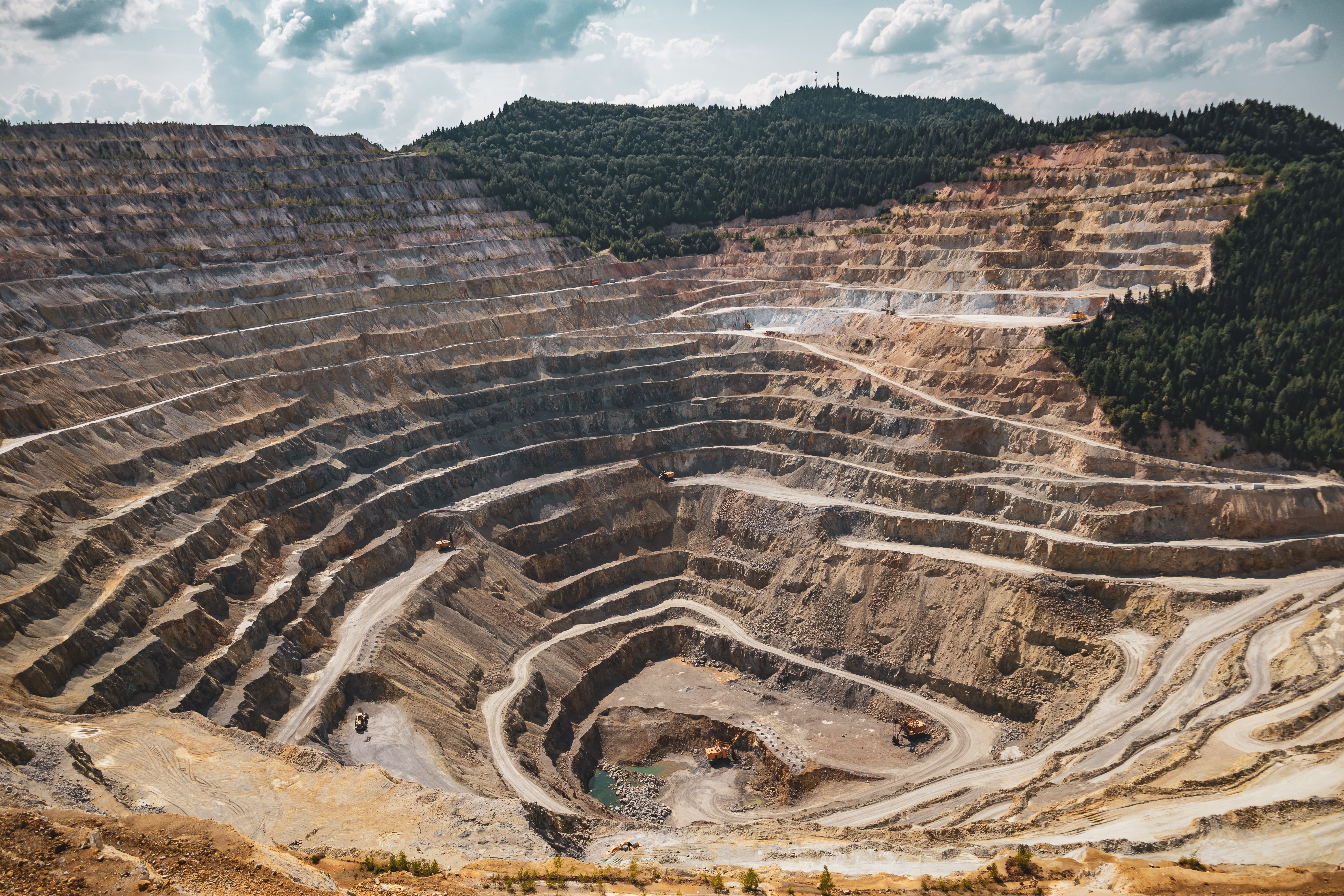
The Democratic Republic of the Congo is one of the most geologically endowed countries in the world. Its soils contain significant concentrations of the minerals that modern economies depend on, from the cobalt used in batteries to the copper that carries electricity across continents. Understanding the DRC's role in these supply chains is essential for anyone evaluating the future of energy, technology and infrastructure.
Introduction to the DRC's mineral diversity
The DRC's mineral wealth spans base metals, precious metals and technology minerals. Copper and cobalt often receive the most attention because of their importance to electrification, but the country's geology also supports significant deposits of gold, diamonds, tin, tungsten, tantalum and increasingly lithium. This diversity gives the DRC a unique position in global markets, but it also creates complex responsibilities around governance, environment and community relations.
Why cobalt and copper receive global attention
Cobalt and copper are central to the energy transition. Cobalt stabilises the cathodes of many lithium-ion batteries, while copper is used in electric motors, charging infrastructure, wind turbines and power grids. The DRC is the world's largest producer of cobalt and a major copper producer. Any serious effort to scale clean energy technologies must therefore consider Congolese supply.
This concentration of production also raises important questions. Buyers, investors and governments want assurance that extraction respects human rights, protects workers and minimises environmental harm. Traceability and due diligence are no longer optional; they are becoming standard requirements for market access.
The role of tantalum, tin and tungsten
Tantalum, tin and tungsten are often grouped as '3T' minerals because of their relevance to electronics and their historical association with conflict financing in parts of Central Africa. Tantalum from coltan is used in capacitors for smartphones and computers. Tin is a key ingredient in solder. Tungsten provides hardness and heat resistance for cutting tools and aerospace components.
These minerals are frequently produced through artisanal and small-scale mining in the DRC's eastern provinces. Responsible sourcing therefore requires close attention to mine-site conditions, chain-of-custody documentation and cooperation with local authorities and civil society.
Gold and diamond production
Gold and diamonds have long shaped the DRC's mineral economy. Gold serves both financial and industrial markets, while diamonds support cutting tools, abrasives and the gem trade. Much of the country's gold production has historically been informal, which makes traceability and formalisation important priorities for responsible development.
Emerging lithium opportunity
Lithium has attracted significant interest in the DRC because of global demand for battery materials. The Manono area in particular has been discussed as one of the most promising hard-rock lithium prospects in Africa. However, developing lithium projects requires infrastructure, processing capability, capital and careful environmental and social planning.
Infrastructure and value-addition challenges
Despite its geological advantages, the DRC faces infrastructure constraints. Roads, railways, power and ports limit the movement of minerals and equipment. Adding value through local processing, refining and manufacturing remains a long-term goal that requires coordinated investment, policy stability and skills development.
Importance of responsible partnerships
The DRC's mineral sector will continue to matter to global supply chains. The question is not whether the world needs Congolese minerals, but how they can be produced and traded responsibly. Companies, governments, investors and civil society all have roles to play in building transparent, fair and durable mineral partnerships.
Conclusion
The DRC's place in critical mineral supply chains is structural, not temporary. Cobalt, copper, tantalum, tin, tungsten, gold, diamonds and lithium all connect the country to industries that are reshaping the global economy. For companies like Kamao Mining, the opportunity lies in developing these resources responsibly and building trust with international partners.
References
- US Geological Survey, Mineral Commodity Summaries
- World Bank, Democratic Republic of Congo Economic Update
- OECD, Due Diligence Guidance for Responsible Supply Chains of Minerals from Conflict-Affected and High-Risk Areas