Responsible mining is a practical commitment, not a marketing slogan. It means managing operations so that workers go home safely, communities benefit, environmental harm is reduced and buyers can trust the origin of the minerals they purchase. In the DRC, where mining is economically central and socially complex, these responsibilities are especially important.
Defining responsible mining
Responsible mining covers a wide range of practices. It includes compliance with national laws, respect for human rights, transparent business conduct, environmental management and constructive community relations. It also means being honest about what a company does, where it operates and how it manages risks.
Worker safety
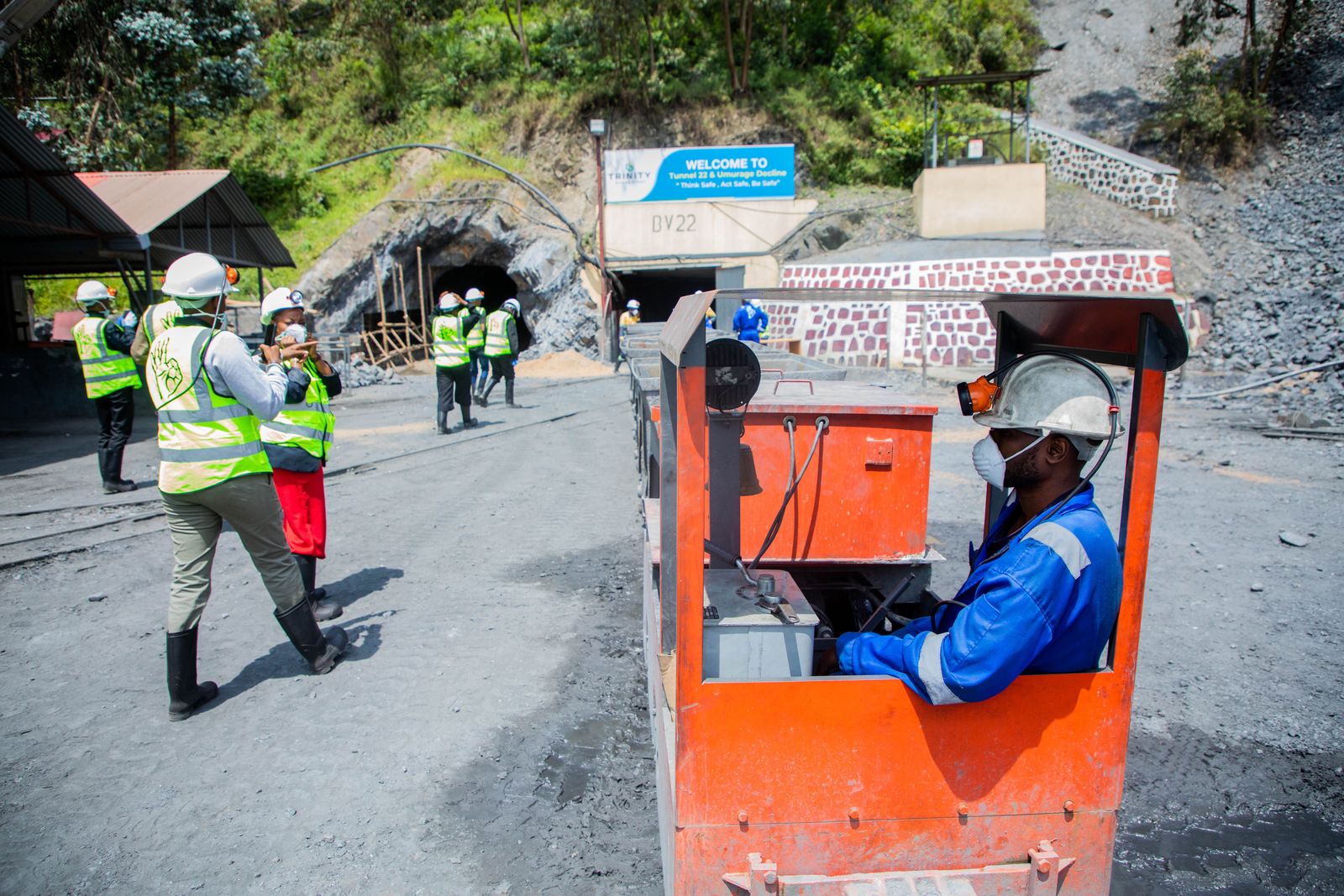
Every mining operation should begin with the safety and dignity of workers. This means identifying hazards, providing appropriate protective equipment, training employees, reporting incidents and continuously improving procedures. Safety is not only a moral obligation but also a measure of operational quality.
Mineral origin and traceability
Traceability is the ability to follow a mineral from its source to the market. It requires records at each step: extraction, transport, processing, export and sale. For minerals from high-risk areas, traceability helps prevent conflict financing, fraud and human rights abuses.
Risk-based due diligence
Due diligence means investigating and addressing risks in the supply chain. Companies should assess suppliers, monitor transactions, respond to red flags and keep records. International frameworks such as the OECD Due Diligence Guidance provide a widely accepted approach.
Environmental management
Mining affects land, water, air and biodiversity. Responsible operators manage these impacts through planning, monitoring, waste control, dust suppression, water treatment and rehabilitation. The goal is not zero impact, which is unrealistic, but continuous improvement and accountability.
Local procurement and employment
Mining can create economic opportunity when companies hire locally, buy from local suppliers and support skills development. These practices keep more value in the region and build stronger relationships with host communities.
Community grievance mechanisms
Communities affected by mining should have clear, accessible ways to raise concerns and seek resolution. Grievance mechanisms should be transparent, culturally appropriate and independent of retaliation. They are an important part of maintaining social licence.
Transparent reporting
Responsible companies communicate openly about their activities, challenges and performance. This includes sharing information with communities, regulators, investors and the public. Transparency builds trust and helps identify areas for improvement.
Continuous improvement
Responsible mining is not a one-time certification. It is an ongoing process of learning, adapting and raising standards. Companies should regularly review their practices, learn from incidents and feedback, and invest in better systems and training.
Conclusion
For Kamao Mining, responsible mining means making accountable decisions every day. Safety, traceability, due diligence, environmental care, local participation and transparent reporting are not separate programmes; they are interconnected parts of a single commitment to do business the right way.
References
- OECD, Due Diligence Guidance for Responsible Supply Chains of Minerals from Conflict-Affected and High-Risk Areas
- World Bank, Climate-Smart Mining Initiative
- Extractive Industries Transparency Initiative (EITI)