Most people use coltan, tin and tungsten every day without realising it. These minerals are hidden inside smartphones, laptops, cars, medical devices and industrial machinery. Their journey from mine to finished product is long, complex and often poorly understood.
What coltan is
Coltan is a shortened name for columbite-tantalite, an ore that contains niobium and tantalum. Tantalum is the more commercially significant of the two for electronics. Coltan is typically mined through artisanal and small-scale operations in parts of Central Africa, including the eastern DRC.
How tantalum is produced
Tantalum is extracted from coltan through crushing, grinding and chemical processing. The resulting tantalum powder or metal is used to make capacitors, components that store and release electrical charge in electronic circuits. Because tantalum capacitors are small, reliable and stable, they are ideal for mobile devices.
Tantalum in capacitors
A smartphone can contain dozens of tantalum capacitors. These components help regulate power, filter signals and keep devices working smoothly. Without tantalum, many compact electronic devices would be larger, less reliable or more expensive.
Tin in solder and electronics
Tin is a soft metal with a low melting point. Its most important modern use is in solder, the alloy that joins electronic components to circuit boards. Tin is also used in coatings, alloys such as bronze, and packaging. The electronics industry depends on a steady supply of refined tin.
Tungsten in tools and machinery
Tungsten is one of the hardest and most heat-resistant metals. It is used in cutting tools, drill bits, mining equipment, aerospace components and specialised alloys. Its ability to maintain strength at high temperatures makes it essential for demanding industrial applications.
Eastern DRC mineral production
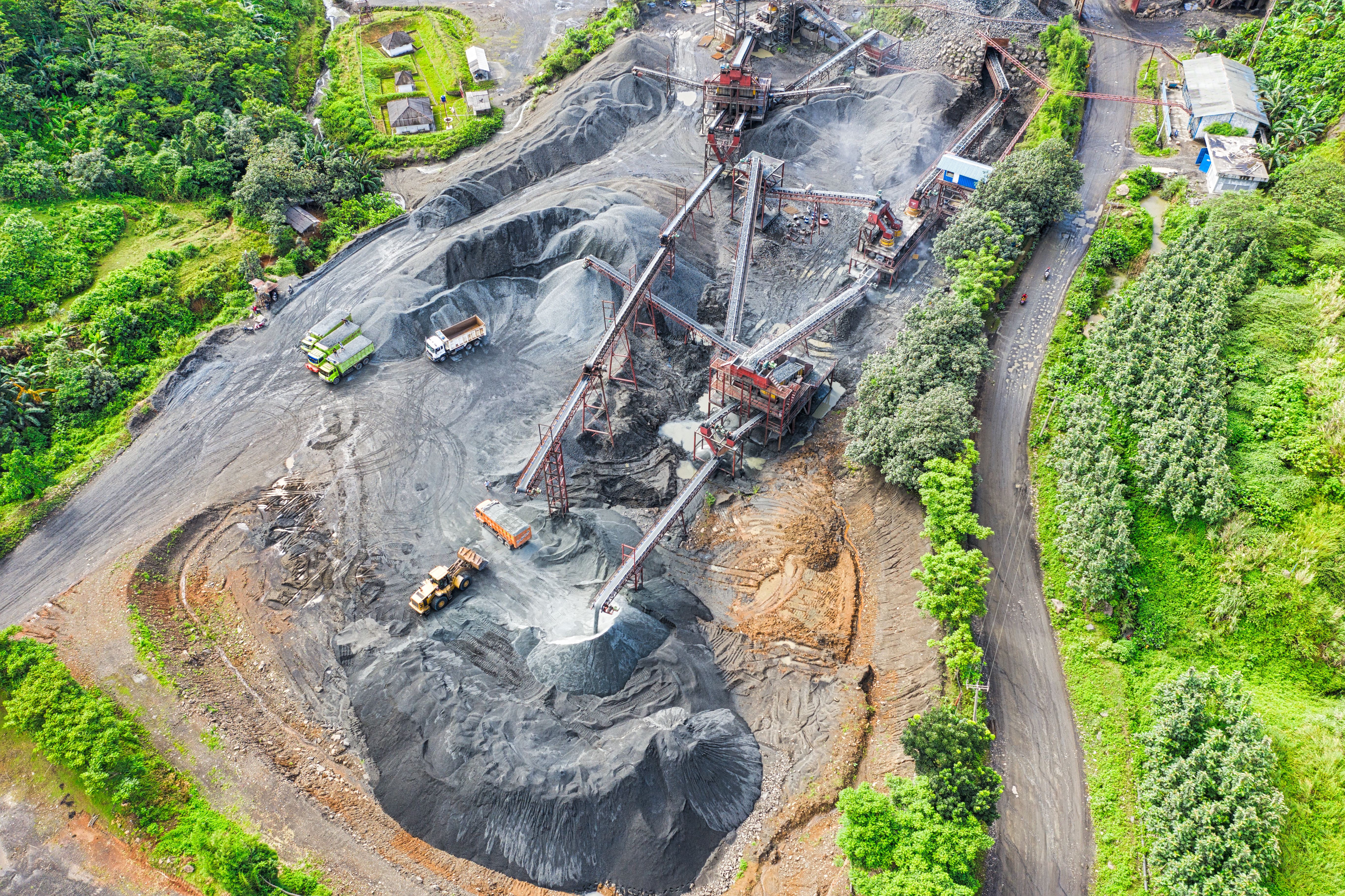
The eastern provinces of the DRC have long produced coltan, cassiterite (tin ore) and wolframite (tungsten ore). These minerals have supported local livelihoods while also presenting governance and traceability challenges. Responsible buyers work with verified supply chains to reduce risks.
Supply-chain risks
Because 3T minerals have been linked to conflict financing in the past, international buyers and regulators require risk-based due diligence. Companies must know where minerals come from, who handled them and under what conditions they were produced.
Importance of traceability and documentation
Traceability systems create a record of each step a mineral takes from mine to market. Documentation such as tags, assays, transport records and export certificates helps buyers verify origin and compliance. For artisanal producers, formalisation and transparent record keeping can open access to responsible markets.
Conclusion
Coltan, tin and tungsten may be invisible in finished products, but they are essential to modern technology. Ensuring that these minerals are sourced responsibly supports both the integrity of supply chains and the livelihoods of mining communities.
References
- OECD, Due Diligence Guidance for Responsible Supply Chains of Minerals from Conflict-Affected and High-Risk Areas
- US Geological Survey, Tantalum, Tin and Tungsten Mineral Commodity Summaries
- Extractive Industries Transparency Initiative (EITI), DRC